Prostate Cancer and Sexual Function
As penile rehabilitation is more widely accepted, more men return to pre-treatment function.
Written byFirmTech Editorial Team
Men’s sexual health writers and editors
FirmTech, Bozeman, MT
FirmTech’s in-house editorial team. Every health article is written against the published research and reviewed by a physician before it goes live.
Read full profile Medically reviewed byElliot Justin, MD, FACEP
Founder & CEO, FirmTech
Harvard University · Boston University School of Medicine
Emergency physician and FirmTech’s founder. He leads the science behind the TechRing and reviews the clinical content on this site for accuracy.
Reviewed
Read full profile5 min read
As techniques to treat prostate cancer have improved, the incidence of side effects has lessened substantially. Unfortunately, serious effects on a man’s sexual function, particularly his ability to get an erection, remains an almost universal problem. However as penile rehabilitation is more widely accepted, more penis owners return to their pre-treatment function.
Penises exercise themselves! Yes, you heard right, a penis naturally has 3-5 erections each night, whilst its owner is sleeping peacefully. This is the body’s way of taking the penis to the gym. All muscles need exercise, and the penile muscles are no different.
Without nocturnal erections, the health of the penile tissues is adversely affected. Lack of tissue stretching, and low oxygenation leads to damage to the smooth muscle cells and the development of fibrosis. Such changes may cause permanent ED, penile shortening and Peyronies disease (change in shape).
There is now good evidence that early use of medication and/or exercises to restore erections after prostate cancer treatment and other pelvic problems that cause ED, can improve the chances of recovery of erectile function; this is known as “penile rehabilitation.”
Shortening of the penis is thought to be due to retraction with tissue fibrosis during the healing phase. Regular erection or use of a vacuum pump can be useful in preventing this.
It is not all bad news though as many men report orgasm being more intense following prostate cancer treatment and it is possible to have an orgasm with a flaccid (non-erect) penis.
Erectile Dysfunction after Treatment
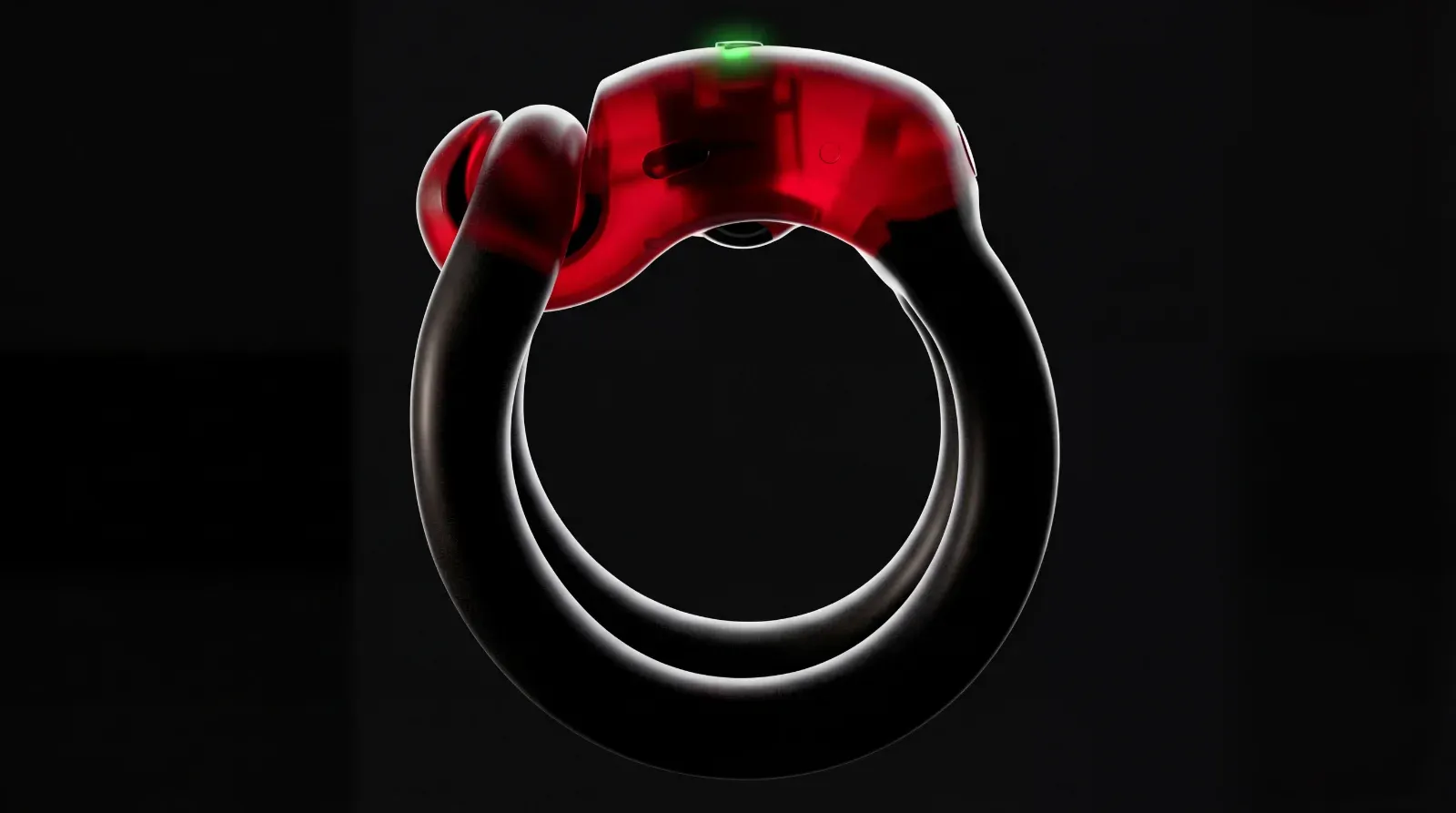
Erectile dysfunction (ED) is a common problem for men after prostate cancer treatments, as the erection nerves are closely related to the prostate gland. Sexual function after treatment is determined by three things: the first is pre-treatment function, the second is the degree of nerve damage and the third is the rehabilitation. Nerve sparing is not always possible, especially if the cancer is invading the nerves. Those most at risk of losing erections have impaired function pre-op or have more advanced disease. Your individual situation should be clearly discussed. The TechRing by FirmTech can be used to assess sexual function before surgery to establish baseline function which gives us goal to aim for post treatment and also gives us the opportunity to get your penis in tip top shape if not working as well as it should be..
Surgery
Radical prostatectomy is performed with increasing frequency as the most common treatment for prostate cancer. Prostate cancer is the commonest cancer in men and is often diagnosed in men in their 50’s and 60’s otherwise in the “prime of life”. As surgical techniques and expertise have improved, the incidence of side effects has lessened substantially. Unfortunately, serious effects on a man’s sexual function, particularly his ability to get an erection remains an almost universal problem, however as surgical techniques improve and penile rehabilitation is more widely accepted, more penis owners return to their pre-op function.
In radical prostatectomy the prostate gland along with the seminal vesicles and a length of urethra are removed. Nerves supplying the erectile “message” pass closely around the prostate gland like a spider’s web and are often damaged even when nerve-sparing techniques are used. As a result, a man will normally lose the capacity to have erections immediately after the operation, however with time and a penile rehabilitation program, there is usually some or total return of erections. In part, the return of erection depends on the degree of nerve sparing achieved during surgery. To use nerve-sparing surgery or not is a choice that the surgeon is only able to make at the time of surgery, since to spare the nerves but leave cancer behind would defeat the purpose of the operation. Blood vessel damage can also occur. Some people may also require the use of radiotherapy which may further damage the nerves and blood vessels, and such damage can get worse over a number of years with late scarring.
After radical prostatectomy, whilst the penis may not be as responsive to visual stimulation, more direct stimulation of the penis may be helpful. It is possible to have vaginal intercourse with a partial erection and stimulation within the vagina may encourage further and better-quality erections. Some people find the erection is stronger when standing up. Because most of the ejaculatory fluid is made by the prostate and seminal vesicles, a man will not ejaculate after radical prostatectomy; he can however reach orgasm even without an erection. Such an orgasm is “dry” but just as pleasurable and less messy! Most men experience a change in the sensation, but this can be an increase rather than a decrease in sensation. Some men experience leakage of urine or pain with orgasm, but this is usually a temporary problem.
Radiation, Chemotherapy and Hormone Treatments
There is a varying degree of erectile issues after radiation, chemotherapy and hormone treatments. Each person needs to be assessed individually to determine the degree of the problem and possible solutions. In general, the same treatment regime applies to men who have had these treatments as those who have had surgery. It is a matter of “if you don’t use it, you may lose it” so the aim is to keep the penis exercising with assistance.
The use of radiotherapy may damage the nerves and blood vessels, and such damage can get worse over a number of years with late scarring.
Hormone ablative therapy will cause a sudden drop in testosterone giving the man an artificial “male menopause.” This will profoundly affect a man’s interest in sex and can make the penis less responsive.
Rehabilitation
With absent erections, the health of the penile tissues is adversely affected. Lack of tissue stretching, and low oxygenation leads to damage to the smooth muscle cells and the development of fibrosis. Such changes may cause permanent ED and penile shortening.
There is now good evidence that early use of medication and/or exercises to restore erections after prostate cancer treatment can improve the chances of recovery of erectile function; this is known as “penile rehabilitation.”
Shortening of the penis is thought to be due to retraction with tissue fibrosis during the healing phase. Regular erection or use of a vacuum pump can be useful in preventing this.
The TechRing by Firmtech can measure when nocturnal erections resume so you can know when to stop physical therapy or pumping!
Online Prostate Cancer Penile Rehabilitation Program
About the medical reviewer

Elliot Justin, MD, FACEP
Founder & CEO, FirmTech
Harvard University · Boston University School of Medicine
Emergency physician and FirmTech’s founder. He leads the science behind the TechRing and reviews the clinical content on this site for accuracy.
Read full profileAbout the author
FirmTech Editorial Team
Men’s sexual health writers and editors
FirmTech, Bozeman, MT
FirmTech’s in-house editorial team. Every health article is written against the published research and reviewed by a physician before it goes live.
Read full profile